

As a supplier for LNG stations, I understand that safety is the top priority when it comes to refueling operations. Liquefied Natural Gas (LNG) is a clean and efficient fuel alternative, but its cryogenic nature and flammable characteristics demand strict safety measures. In this blog, I will explore how an LNG station ensures the safety of refueling operations from multiple angles.
Site Selection and Design
The first step in ensuring safety starts with the proper selection and design of the LNG station. The location should be carefully chosen to avoid high - traffic areas, residential zones, and areas prone to natural disasters such as floods, earthquakes, or hurricanes. It should also have adequate space for storage, refueling, and emergency response.
The station's layout is designed to separate different functional areas. For instance, the storage tanks are placed at a safe distance from the refueling area. This separation minimizes the potential impact of an accident in one area on the others. Additionally, proper ventilation systems are installed throughout the station to prevent the accumulation of LNG vapors, which could form a flammable mixture.
Equipment and Technology
Storage Tanks
LNG storage tanks are built to withstand extreme cold and high pressure. They are typically double - walled, with an inner tank made of a material that can handle cryogenic temperatures, such as 9% nickel steel, surrounded by an outer tank for additional protection. Insulation materials are used between the two walls to reduce heat transfer and prevent the LNG from vaporizing too quickly.
Regular inspections and maintenance of the storage tanks are crucial. Non - destructive testing methods, such as ultrasonic testing and radiography, are used to detect any potential defects in the tank walls. Pressure relief valves are installed on the tanks to prevent over - pressurization, which could lead to a rupture.
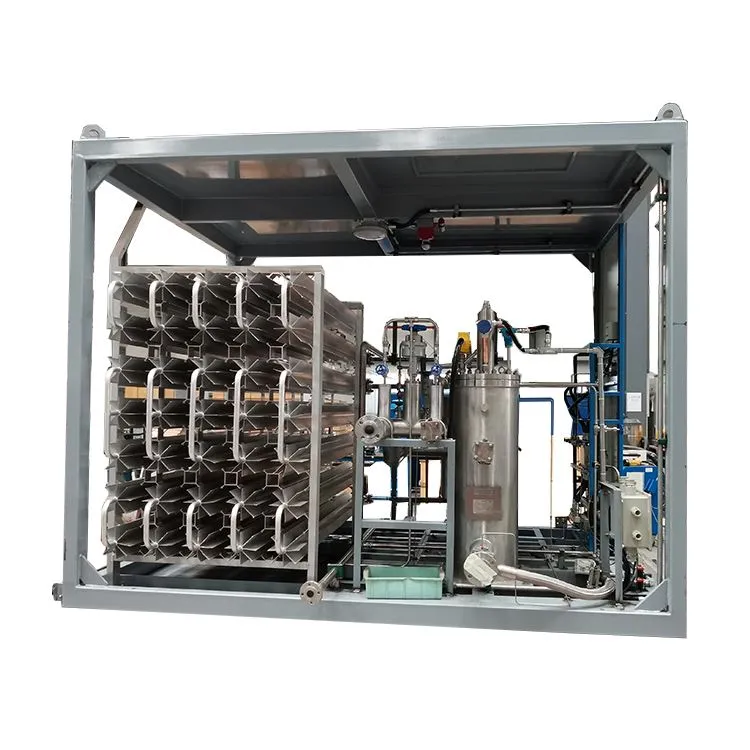

Refueling Equipment
The refueling equipment, including LNG Pump Skid and L - CNG Pump Skid, is engineered to handle LNG safely. The pumps are designed to operate at low temperatures and high pressures, and they are equipped with safety features such as flow control valves and pressure sensors.
These sensors continuously monitor the pressure and flow rate during the refueling process. If any abnormal readings are detected, the system can automatically shut down the refueling operation to prevent over - filling or other safety hazards. The hoses and nozzles used for refueling are also made of materials that can withstand the cold temperatures and are designed to prevent leaks.
Training and Certification
All personnel working at the LNG station must undergo comprehensive training and certification programs. This training covers a wide range of topics, including the properties and hazards of LNG, safety procedures for refueling operations, emergency response protocols, and the proper use of personal protective equipment (PPE).
Operators are trained to inspect the refueling equipment before each use, check the connections for leaks, and follow the correct refueling procedures. They are also taught how to handle emergencies such as a spill or a fire. Periodic refresher courses are provided to ensure that the staff is up - to - date with the latest safety standards and best practices.
Emergency Response Planning
An effective emergency response plan is essential for an LNG station. The plan should cover various scenarios, including leaks, fires, and natural disasters. It should clearly define the roles and responsibilities of each member of the emergency response team.
The station should be equipped with emergency response equipment, such as fire extinguishers, foam - generating systems, and emergency shutdown devices. Regular drills are conducted to test the effectiveness of the emergency response plan and to train the staff on how to respond quickly and efficiently in case of an emergency.
Regulatory Compliance
LNG stations are subject to strict regulatory requirements at the local, national, and international levels. These regulations cover aspects such as site design, equipment installation, safety procedures, and environmental protection.
As a supplier, we ensure that all the equipment and systems we provide for LNG stations comply with these regulations. We work closely with the station operators to help them meet the regulatory requirements and stay compliant. This includes providing documentation, conducting inspections, and offering support during regulatory audits.
Monitoring and Maintenance
Continuous monitoring of the LNG station is necessary to ensure its safe operation. Sensors are installed throughout the station to monitor parameters such as temperature, pressure, and gas concentration. These sensors transmit real - time data to a central control system, where operators can monitor the status of the station and detect any potential safety issues.
Regular maintenance of the equipment is also essential. Preventive maintenance programs are established to ensure that all components, including pumps, valves, and hoses, are in good working condition. This helps to prevent breakdowns and potential safety hazards.
Partnerships and Cooperation
LNG stations often work in partnership with local fire departments, emergency responders, and gas suppliers. These partnerships are crucial for sharing information, coordinating emergency response efforts, and ensuring the overall safety of the station and the surrounding area.
For example, the station may conduct joint training exercises with the local fire department to improve their response capabilities in case of an LNG - related incident. Gas suppliers can also provide technical support and guidance on the safe handling and storage of LNG.
Conclusion
Ensuring the safety of refueling operations at an LNG station is a complex and multi - faceted task. It requires a combination of proper site selection, high - quality equipment, well - trained personnel, effective emergency response plans, regulatory compliance, and continuous monitoring and maintenance.
As a reliable LNG station supplier, we are committed to providing the best - in - class equipment and solutions to help LNG stations operate safely and efficiently. If you are in the market for an LNG Satellite Station, LNG Pump Skid, L - CNG Pump Skid or other LNG - related equipment, we would be glad to engage in a procurement discussion. Our team of experts is ready to provide you with tailored solutions to meet your specific needs.
References
- ISO standards related to LNG stations and equipment.
- Local and national regulations on LNG safety and refueling operations.
- Industry reports on best practices in LNG station safety.