

Hey there! As a supplier of LNG Pump Skids, I often get asked about the pressure - relief device requirements for these skids. So, I thought I'd write this blog to share some insights on this important topic.
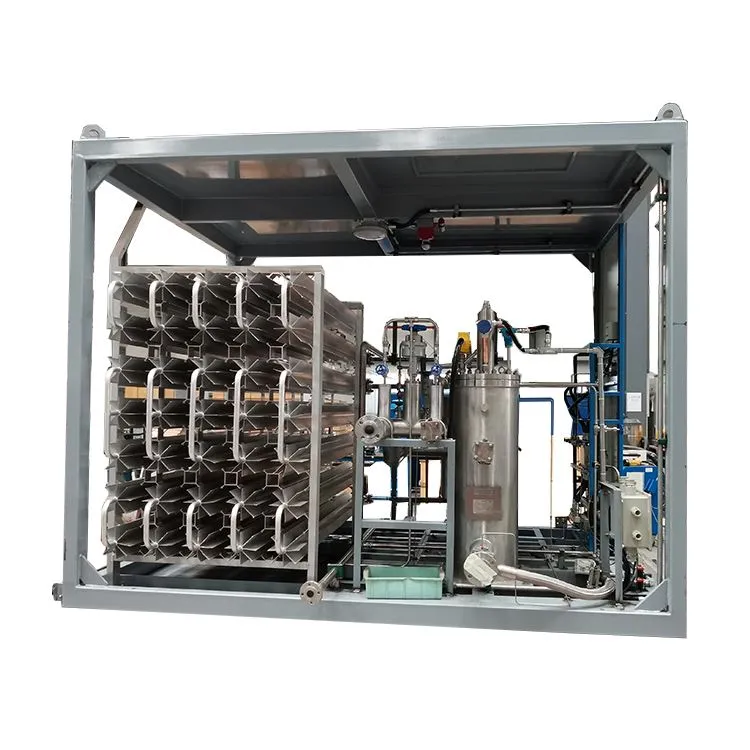
First off, let's understand what an LNG Pump Skid is. An LNG Pump Skid is a pre - fabricated unit that contains all the necessary equipment for pumping liquefied natural gas (LNG). It's a crucial part of LNG Skid - mounted Station and Skid Mounted Gasification Station. The skid is designed to be compact and easy to install, making it a popular choice for various LNG applications.
Now, why are pressure - relief devices so important for an LNG Pump Skid? Well, LNG is stored and transported at extremely low temperatures and high pressures. Any abnormal increase in pressure can lead to serious safety hazards, such as explosions or leaks. Pressure - relief devices act as a safety valve, releasing excess pressure when it reaches a certain level, thus preventing potential disasters.
Regulatory Requirements
There are several regulatory bodies around the world that set the standards for pressure - relief device requirements for LNG Pump Skids. For example, in the United States, the American Society of Mechanical Engineers (ASME) and the Department of Transportation (DOT) have strict regulations. These regulations specify the design, installation, and maintenance of pressure - relief devices.
ASME's Boiler and Pressure Vessel Code (BPVC) is widely recognized in the industry. It provides detailed guidelines on the sizing, construction, and testing of pressure - relief valves. The code ensures that the pressure - relief devices can handle the maximum allowable working pressure (MAWP) of the LNG Pump Skid.
The DOT regulations, on the other hand, focus on the transportation and storage of LNG. They require that all pressure - relief devices on LNG Pump Skids meet certain safety standards to prevent leaks and spills during transit.
Types of Pressure - Relief Devices
There are mainly two types of pressure - relief devices commonly used on LNG Pump Skids: pressure - relief valves (PRVs) and rupture disks.
Pressure - Relief Valves (PRVs)
PRVs are the most common type of pressure - relief device. They work by opening when the pressure inside the LNG Pump Skid exceeds a pre - set value. Once the pressure drops back to a safe level, the valve closes automatically.
There are different types of PRVs, such as spring - loaded PRVs and pilot - operated PRVs. Spring - loaded PRVs are simple and reliable. They use a spring to keep the valve closed under normal pressure conditions. When the pressure rises, the force of the pressure overcomes the spring force, and the valve opens.
Pilot - operated PRVs, on the other hand, are more complex but offer better performance. They use a pilot valve to control the opening and closing of the main valve. This type of PRV can respond more quickly to pressure changes and can handle higher flow rates.
Rupture Disks
Rupture disks are non - reclosable pressure - relief devices. They are designed to burst at a specific pressure, releasing the excess pressure in one go. Once a rupture disk bursts, it needs to be replaced.
Rupture disks are often used in combination with PRVs. They provide an additional layer of protection in case the PRV fails to open or is unable to handle the full pressure relief.
Sizing and Installation
Proper sizing of pressure - relief devices is crucial. If the device is too small, it won't be able to release the excess pressure quickly enough, which can lead to over - pressurization. On the other hand, if it's too large, it can cause unnecessary pressure drops and waste of LNG.
The sizing of pressure - relief devices depends on several factors, such as the maximum flow rate of the LNG Pump Skid, the operating pressure, and the type of LNG being handled. Engineering calculations are usually required to determine the correct size.
Installation of pressure - relief devices also needs to be done carefully. They should be installed in a location where they can easily detect pressure changes and where the released gas can be safely vented. The piping connected to the pressure - relief devices should be properly sized and supported to prevent any blockages or vibrations.
Maintenance and Testing
Regular maintenance and testing of pressure - relief devices are essential to ensure their proper functioning. Maintenance includes inspecting the devices for any signs of damage, corrosion, or wear. The valves should be lubricated regularly, and the rupture disks should be checked for any signs of degradation.
Testing of pressure - relief devices should be done at regular intervals. PRVs can be tested by simulating an over - pressure condition and checking if the valve opens at the pre - set pressure. Rupture disks can be tested by visually inspecting them and ensuring that they are still within their design specifications.
Our Experience as an LNG Pump Skid Supplier
As a supplier of LNG Pump Skids, we have a lot of experience in ensuring that our skids meet all the pressure - relief device requirements. We work closely with our customers to understand their specific needs and design the skids accordingly.
We use high - quality pressure - relief devices from reputable manufacturers. Our engineering team is well - versed in the latest regulatory requirements and ensures that all our skids are compliant. We also provide comprehensive after - sales service, including maintenance and testing of the pressure - relief devices.
If you're in the market for an LNG Pump Skid, you need to make sure that the skid you choose has the right pressure - relief devices. Don't compromise on safety. Our LNG Pump Skids are designed with safety as our top priority. We can customize the skids to meet your specific requirements and ensure that they are fully compliant with all the relevant regulations.
If you're interested in learning more about our LNG Pump Skids or have any questions about pressure - relief device requirements, feel free to reach out to us. We're always happy to have a chat and help you make the right choice for your project. Let's work together to ensure the safe and efficient operation of your LNG facilities.

References
- American Society of Mechanical Engineers (ASME) Boiler and Pressure Vessel Code (BPVC)
- Department of Transportation (DOT) regulations on LNG transportation and storage